February 27, 2026
Understanding when it's necessary to remove a tree can prevent potential hazards and maintain the health of your property. Standing tall, trees can enhance your landscape, provide shade, and support local wildlife. However, failing to recognize when a tree becomes a liability can lead to severe damage or injury. Removing a tree can be a tough decision, but recognizing the signs early can save you from future troubles. This article will guide you through clear indicators for tree removal to ensure the safety and integrity of your property.
1. Visible Signs of Disease
The health of a tree can significantly impact its longevity and safety. One of the most visible indicators of a tree's health status is the condition of its leaves. Poor leaf condition may manifest in yellowing or browning foliage, which often indicates a nutrient deficiency or disease. Additionally, pale or spotted leaves can be a result of fungal infections, letting you know that the tree may be in distress. Regular monitoring of leaf condition is essential for diagnosing issues early and determining if tree removal is necessary.
Fungal growth, such as mushrooms or conks, appearing on a tree's trunk or roots, is another significant sign of declining health. These fungi are typically indicators of decay within the tree's internal structure, which can compromise its stability. Fungal infections spread quickly and can affect the tree's ability to transport water and nutrients. Once a tree is affected this severely, removal is usually the best option to prevent further damage to nearby trees. Affected trees can become hazardous, especially during storms, when they might fall and cause property damage or personal harm.
Observing sawdust and other debris at the base of a tree can also indicate pest infestations. Debris is often a sign of boring insects that have started to harm the tree from the inside out. Such conditions weaken the structural integrity of the tree, making it susceptible to falling during adverse weather conditions. Furthermore, peeling or cracked bark can reveal areas where pests may already be established. Keeping an eye on these signs can alert property owners to act swiftly.
2. Structural Instability
Structural vulnerability in a tree is one of the clearest indications that it should be removed. A leaning trunk suggests a shift from its original position, which could result from various factors such as soil erosion, root damage, or a weak root system. This lean can increase the likelihood of the tree failing during inclement weather. Homeowners should act promptly to address this instability, as it poses a significant threat to nearby structures and people. A professional evaluation can confirm the extent of the threat and the need for tree removal.
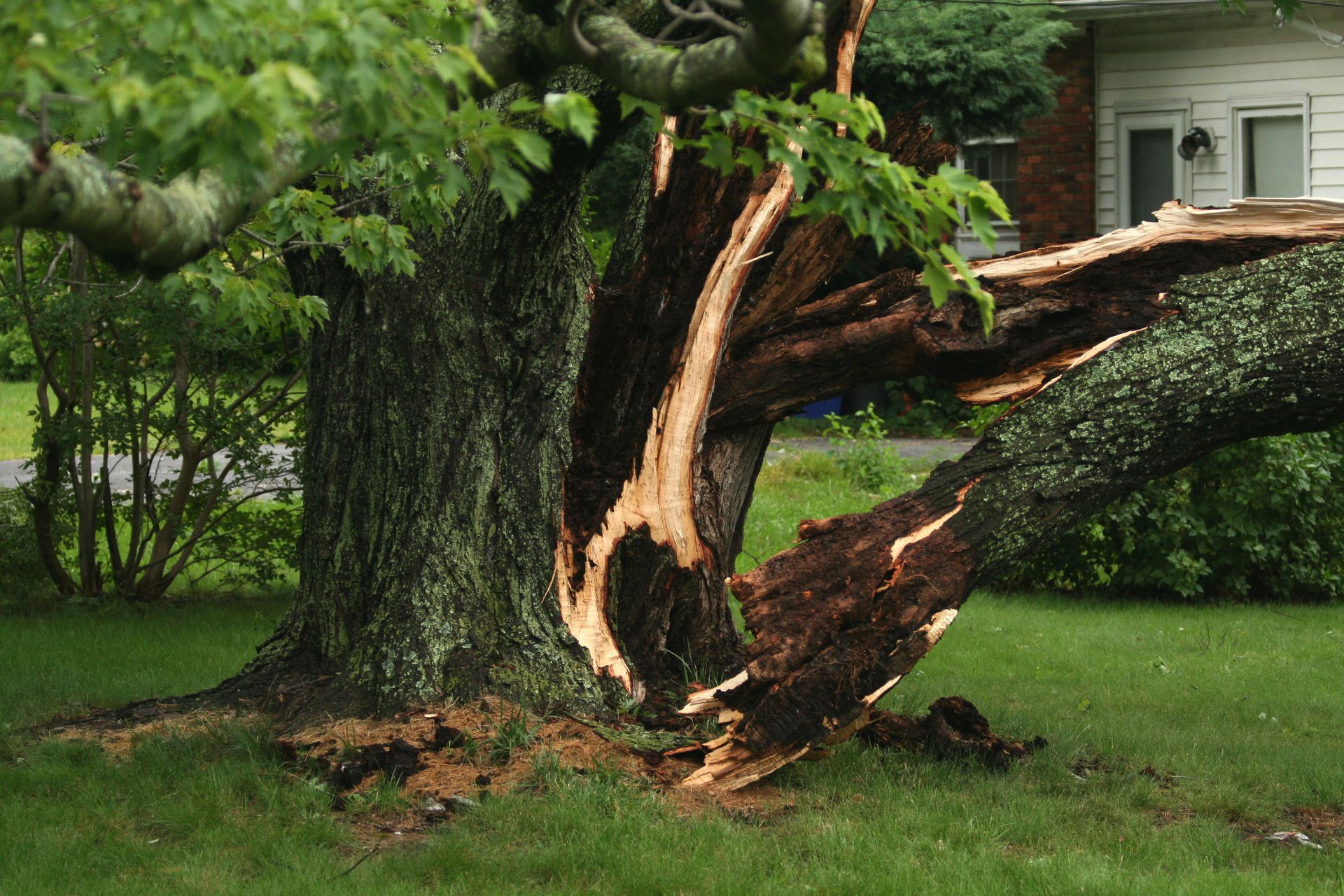
Cracks in major branches or the trunk signify that the tree might be struggling to sustain its weight. Such splits weaken the tree, and during storms, these branches are likely to break and fall, causing damage to anything in their path. Roots are critical in a tree's structural integrity, and if they are damaged or showing signs of distress, the tree is less anchored and more prone to uprooting. Furthermore, an imbalanced canopy, where one side is significantly heavier than the other, can exacerbate the risk of the tree tipping. Early identification of these features can guide tree maintenance or removal decisions.
Hollow trunks are another significant sign of structural instability. While trees with hollow trunks can live long lives, they are susceptible to collapse under strain. According to the University of Maryland Extension, tree removal should be considered if a third or more of the tree's interior is hollow or rotten. Homeowners should evaluate the risk hollow trunks pose, especially if the tree is in a frequently used space. Consulting with arborists can provide clarity about the potential dangers and safe measures to take.
3. Proximity to Structures
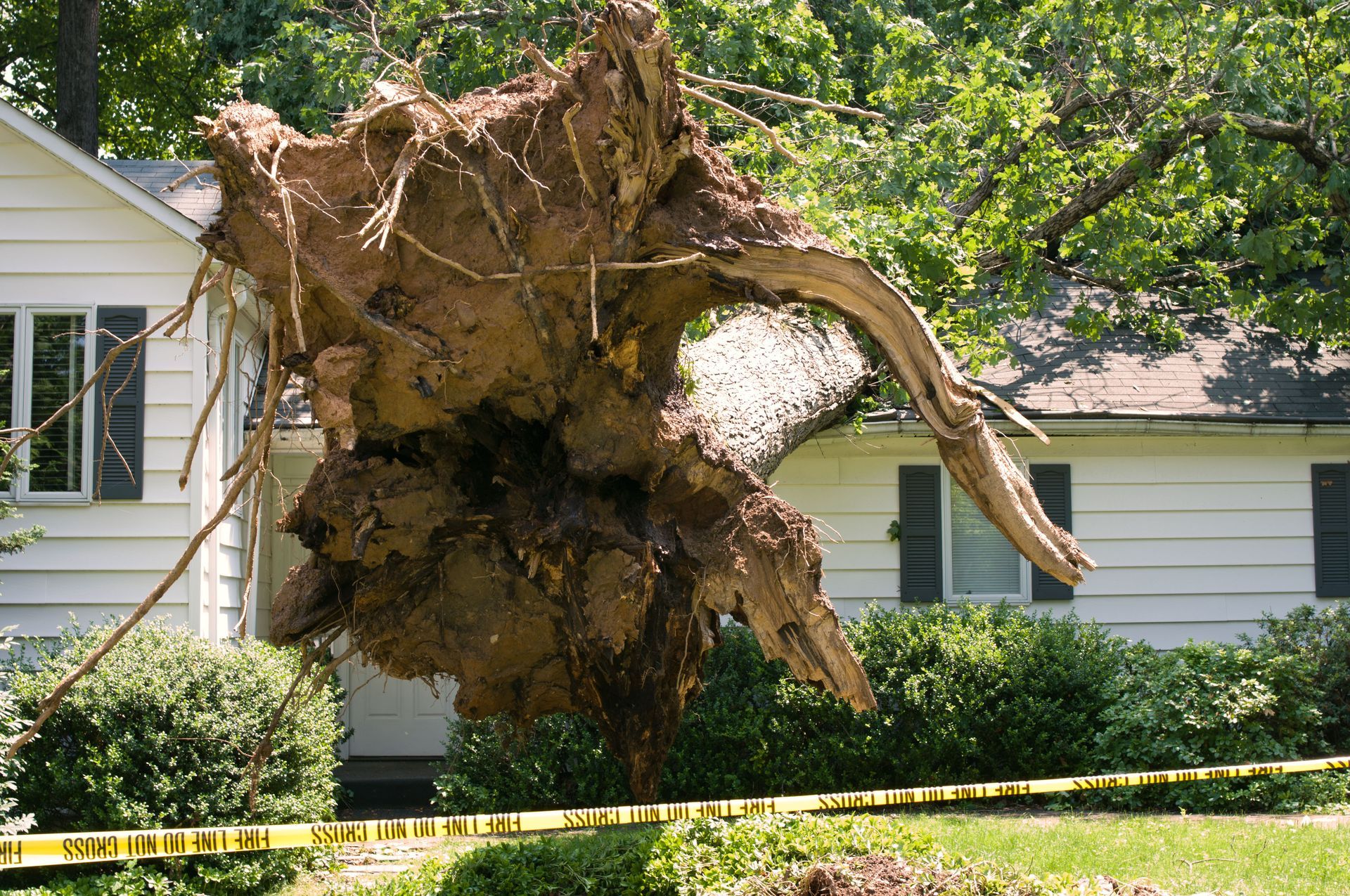
The location of a tree plays a crucial role in determining whether it should be removed. Roots causing damage to foundations can be a severe issue, particularly for buildings on expansive clay soils. As roots grow and expand, they can create pressure against structures, causing cracks and even lifting foundations, leading to costly repairs. Addressing trees that pose such risks can prevent future complications and save considerable repair costs. Immediate action is often required in these cases to ensure that buildings remain structurally sound.
Branches overhanging roofs are another point of concern, as they can cause significant damage during storms. Falling branches can break windows, damage roof surfaces, and clog gutters, leading to water damage. Furthermore, trees planted too close to homes can allow easy access for pests, such as squirrels or insects, by providing a direct route from the tree to the roof. Tree removal in these instances not only prevents physical damage but also acts as a preventive measure against pest infestations. Responsible landscaping considers safe distances between trees and structures to mitigate such risks.
In today's energy-conscious environment, ensuring that solar panels operate efficiently is paramount. Trees that cast undue shade on solar installations can significantly reduce their effectiveness, negating the benefits of the technology. Additionally, trees growing too close to power lines might interfere with electrical service, posing fire hazards and power outages. Obstruction of driveways or pathways by tree roots or overgrown canopies can also cause inconvenience and safety hazards. Removing such trees allows homeowners to use their properties more efficiently and safely.
4. Impact on Surrounding Environment
Some tree species, while beautiful, can be invasive and detrimental to local ecosystems. Invasive species can dominate a landscape, crowding out native plants and altering the habitat for local wildlife. By consuming more resources like water and nutrients, these invasive trees can also cause stress in existing flora, leading to reduced biodiversity. Vigilant property management might require removing such trees to maintain ecological balance. Preserving native plant growth ensures a healthier and more sustainable environment.
Trees also play an integral role in supporting local wildlife by providing food and shelter. Certain trees, while beneficial for one part of the environment, might disrupt the habitat of others. If a tree poses a risk to the thriving of local organisms, careful consideration is needed to evaluate its place in your landscape. Removing trees that prevent the healthy growth and diversity of native species supports a balanced ecosystem. Prioritizing trees that foster biodiversity can lead to a more vibrant and thriving locality.
Another factor to consider is the tree's impact on soil health and drainage. Some trees have extensive root systems that can absorb vast amounts of water, leaving surrounding plants desolate. Their removal might be necessary to restore proper water balance and soil fertility. Lastly, a tree's aesthetic value should not be overlooked. Trees that disrupt the visual balance of a landscape, despite being healthy, might need removal for a more cohesive and pleasing design.
Knowing the signs of when to remove a tree is vital for ensuring safety and maintaining the aesthetic value of your property. Tree removal, when done timely, is an act of proactive management that can prevent costly damage and keep landscapes vibrant. Trees with significant internal decay require immediate attention. Regularly assessing your trees for these signs helps support safe and healthy surroundings. By prioritizing safety and sustainability, you contribute to a robust and aesthetically pleasing environment on your property. For expert tree removal services, be sure to contact Hatchet Man Tree Service!