April 28, 2026
Understanding the health of a tree is crucial for maintaining the safety of surrounding areas. A professional tree removal service utilizes a variety of techniques to assess the condition of a tree before making any decisions. This comprehensive evaluation involves multifaceted methods used by experts to ensure vitality is considered. By focusing on detailed observations and advanced diagnostics, arborists make informed decisions.
From basic visual checks to technological diagnostics, experts look at pest activity, environmental pressures, past data, and professional knowledge. This thorough assessment aids in preserving the tree or ensuring that taking it down is safely conducted. Recognizing these signs helps property owners understand exactly when to call a tree removal service for an appraisal.
Conducting Visual Inspections
The canopy provides the most obvious indicators of overall health. A full canopy signals good condition, while sparse foliage may indicate underlying issues. Arborists look for uniform leaf distribution and consistent color as signs of vitality. Discovering areas where leaves are discolored or prematurely falling is a red flag. According to University of Maryland Extension, a tree will generally survive if less than 25% of its branches are dead or damaged. Anything beyond that threshold makes recovery uncertain and warrants monitoring.
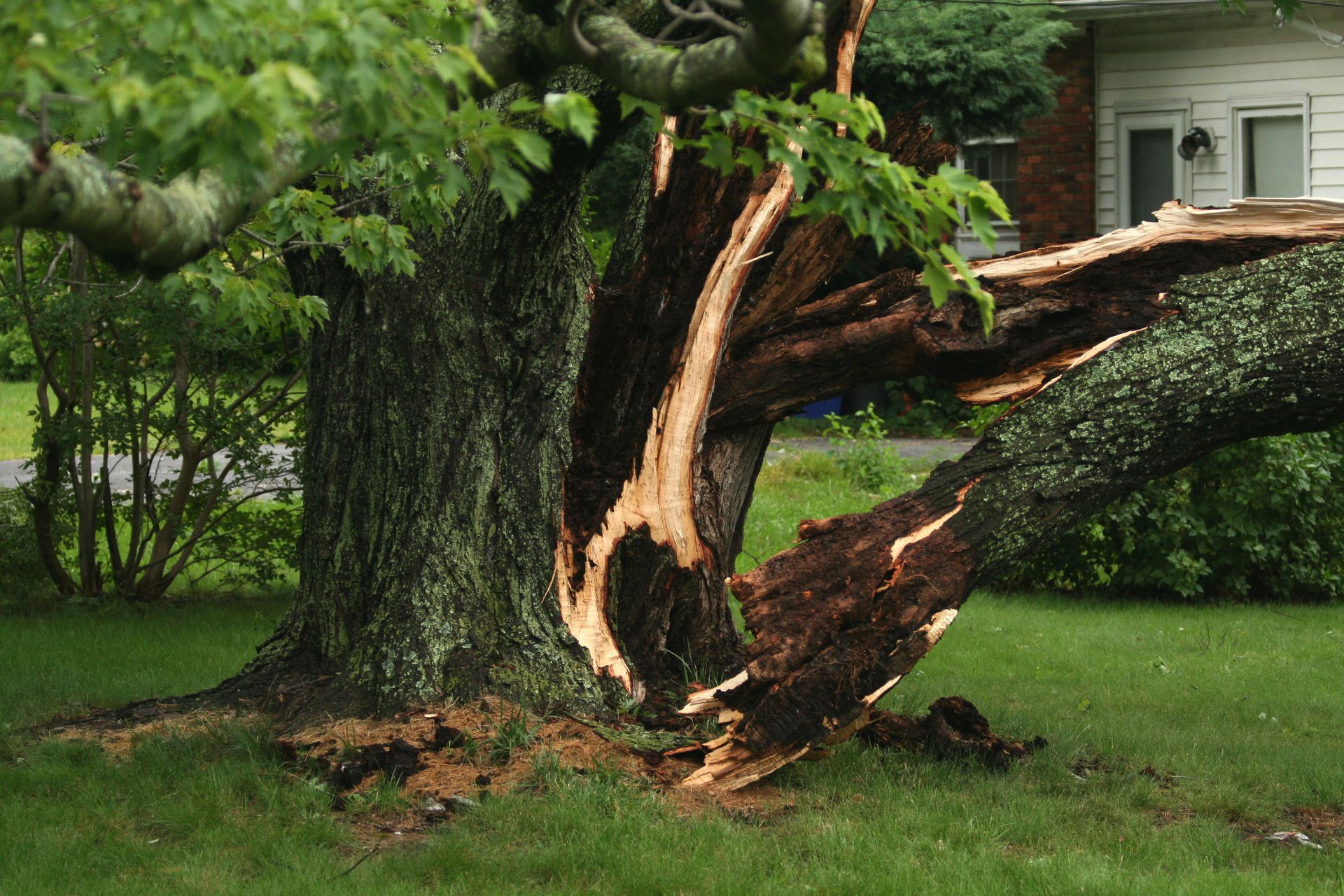
Assessing health also involves evaluating the structural integrity of the trunk, root system, and bark. This includes looking for visible damage like cracks or splits, signifying internal weaknesses. Peeling bark or fungal growth often indicates decay that threatens stability. An unhealthy root system with compacted soil is an issue necessitating intervention. Fungi and hollow trunk sounds point toward advanced internal rot. When severe symptoms emerge, consulting a tree removal service ensures a safe diagnosis.
Utilizing Technological Tools
Digital imaging offers a non-invasive way to look inside the trunk and branches. Thermal cameras detect temperature variations, highlighting potential decay areas invisible to the naked eye. These devices locate sections where temperature drastically varies, indicating issues with water or nutrient distribution. Advanced imaging helps arborists make informed decisions when assessing internal problems, allowing for preemptive troubleshooting. By finding hidden defects early, professionals mitigate risks before they manifest visibly. Sonic tomography also sends sound waves through wood to create an image representing internal density.
By analyzing the speed at which sound waves travel, arborists determine the solidity of the wood and detect hollow areas. Resistograph testing employs a specialized drill to measure wood resistance, detecting weaknesses usually caused by decay. Drones offer another modern perspective for inspecting areas typically difficult to access, capturing high-resolution aerial imagery. By combining these advanced devices, a tree removal service gains profound insights into the internal workings and overall stability of the landscape, supporting definitive diagnoses.
Evaluating Pest Infestations
Borers cause significant harm by burrowing into the wood and leading to structural weaknesses. Evidence of borer activity includes small exit holes found throughout the bark. The larvae consume the inner layers from within, causing decay and potentially leading to premature death if not addressed. Professional arborists recognize these symptoms early and apply treatments to deter ongoing infestation. The longevity of a specimen frequently hinges on how aggressively these invasive pests are managed and eliminated.
Leaf miners manifest their presence by leaving characteristic patterns on leaves, serving as warning signs of potential stress. These larvae feed between the leaf surfaces, creating visible trails that diminish health. While the damage initially seems superficial, it severely hinders photosynthesis if widespread. Both biological and chemical methods are employed to control these outbreaks effectively. When natural mitigation fails, a tree removal service evaluates whether the structural damage caused by pests requires extraction to protect neighboring vegetation.
Assessing Environmental Stressors
Urbanization presents specific challenges to plant health, primarily due to pollution, space limitations, and altered ecosystem dynamics. Increased infrastructure leads to reduced growing spaces and disrupted root systems. Pollution from vehicles degrades vitality as chemicals accumulate on leaves and penetrate the soil. The gradual replacement of permeable soil with impermeable surfaces restricts access to water and nutrients. Roots are forced to adapt, limiting vertical growth as sidewalks dominate the environment. Regular evaluations identify these urban-specific threats before crucial life functions are compromised.
Trees endure fluctuating weather patterns but are vulnerable to extreme conditions like drought, storms, and temperature variations. Prolonged droughts create significant water deficits, impacting leaf turgor and leading to potential dieback. Soil compaction from heavy machinery exacerbates these issues by restricting necessary air pockets around the roots. This lack of oxygen inhibits proper water movement and impedes root expansion. Addressing environmental strains is an essential task for any reliable tree removal service aiming to rehabilitate stressed greenery or clear irreparably damaged timber.
Reviewing Historical Data
Growth patterns provide essential historical context, revealing trends like annual incremental increases and responses to environmental factors. Arborists use growth rings found in core samples to understand past seasons' impacts, interpreting broader environmental influences encountered. Analyses ascertain whether certain stressors repeatedly inhibit progress, drawing focus for adaptive management strategies. Understanding past dynamics informs future decisions, leading to enhanced intervention techniques that foster continual growth. Addressing periodic anomalies permits the anticipation of upcoming uncertainties, supporting optimized protective actions over a specimen's lifespan.
Reviewing past health issues and maintenance logs equips arborists to predict ongoing risks, helping them implement proactive measures. Records of pest encounters, diseases, and structural weaknesses fortify assessments, focusing on preventing potential recurrences. Consistent maintenance remains ingrained within health management, demanding methodical reviews of established pruning history. Negligent or incorrect pruning histories compromise extant health assessments by distorting branch structures. By analyzing this accumulated data, a professional tree removal service tailors contemporary agendas, rectifying historical oversight patterns to lengthen the landscape's lifespan.
Consulting Professional Arborists
Arborists possess specialized expertise, rooted firmly within the scientific principles governing plant biology and care methodologies. These professionals offer valuable insights through informed observations, guiding individuals in managing landscapes sustainably. Understanding complex health issues cataloged by specialists informs decision-making processes attuned to the urgent needs confronting varied arboreal species. The collaborative environment fostered by experts ensures that property owners receive comprehensive education regarding their natural surroundings. Proper consultation bridges the gap between identifying symptoms and executing effective, scientifically backed treatments.
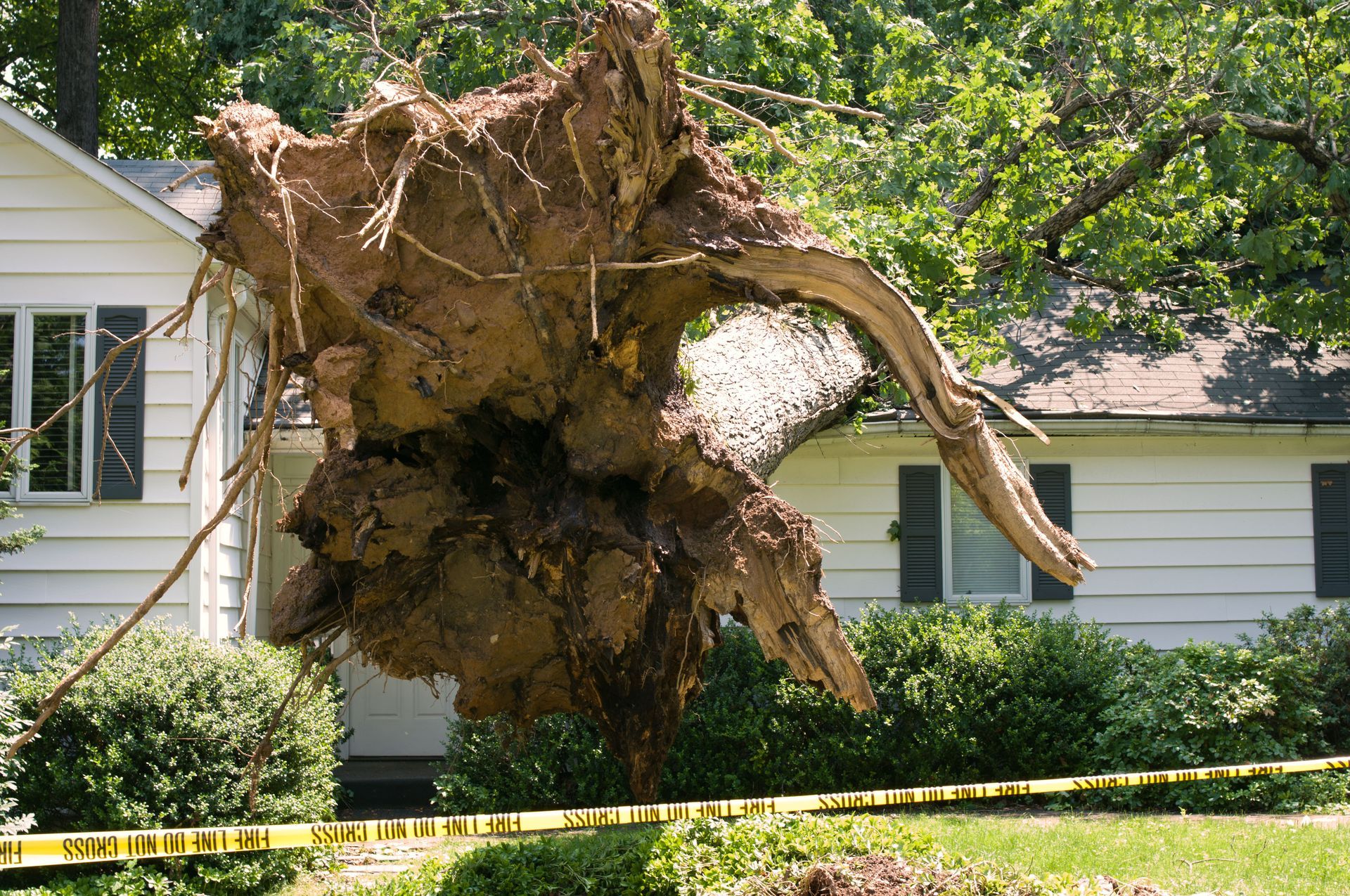
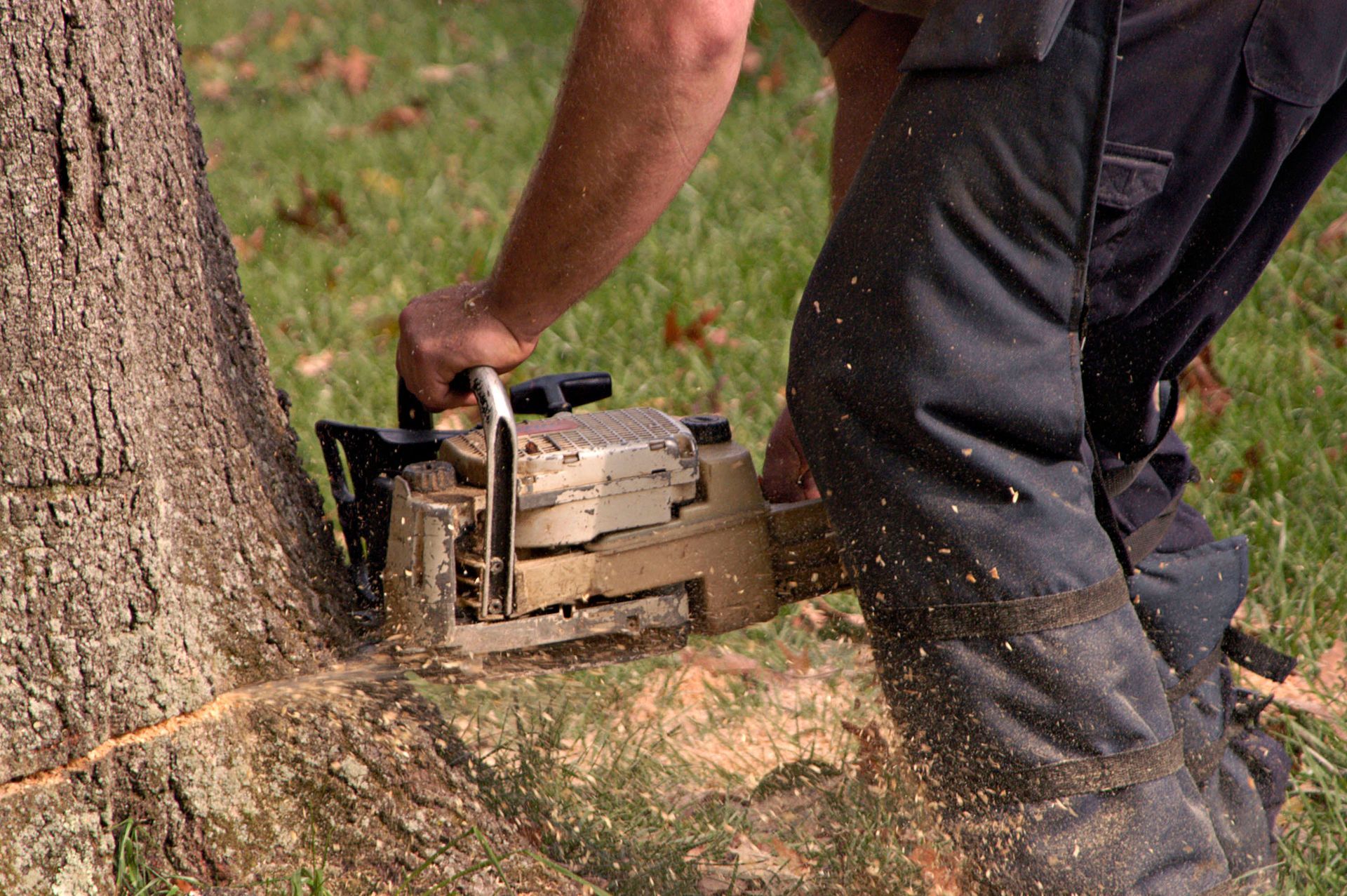
Sometimes, despite the best preservation efforts, the damage is too extensive, and extraction becomes the safest option. A certified arborist will weigh all diagnostic data, from visual cues to technological readouts, to render a final verdict. They possess the knowledge required to handle hazardous situations safely, minimizing risk to nearby structures. Working with experts eliminates the guesswork and liability associated with maintaining large, potentially dangerous plants. Should the diagnosis point toward irrecoverable decline, an experienced tree removal service executes the necessary steps safely.
The methodologies employed by professionals form a robust framework for managing the safety and aesthetic value of any property. From inspecting foliage density to deploying sonic tomographs, every step serves to build a complete picture of arboreal well-being. Recognizing the signs of pest invasions, environmental damage, and historical decline allows for timely and effective interventions. A proactive approach is always the best defense against property damage and the spread of disease to neighboring greenery. By staying vigilant, property owners can safeguard their spaces.
Maintaining a vibrant landscape requires dedication, knowledge, and sometimes the intervention of trained experts equipped with the right tools. Whether you are aiming to preserve an ancient oak or clear a hazardous pine, having professional support makes all the difference in achieving a successful outcome. Do not wait for a weakened branch to fall or a hidden disease to spread through your entire yard. If you are concerned about your landscape, contact us at Hatchet Man Tree Service today.