June 18, 2026
Trees are a vital part of the outdoor environment, offering shade, beauty, privacy, and ecological benefits. However, there are situations when trees may create problems in residential yards, especially when they become unstable, diseased, overcrowded, or too close to important structures. In these situations, tree removals may be necessary to protect the property and make the yard more usable.
By recognizing warning signs early, property owners can make informed decisions that support safety, curb appeal, and long-term landscape health. With professional guidance, yard problems can often be corrected before they lead to damage, injury, or unnecessary stress.
Structural Instability
Lack of Root Support
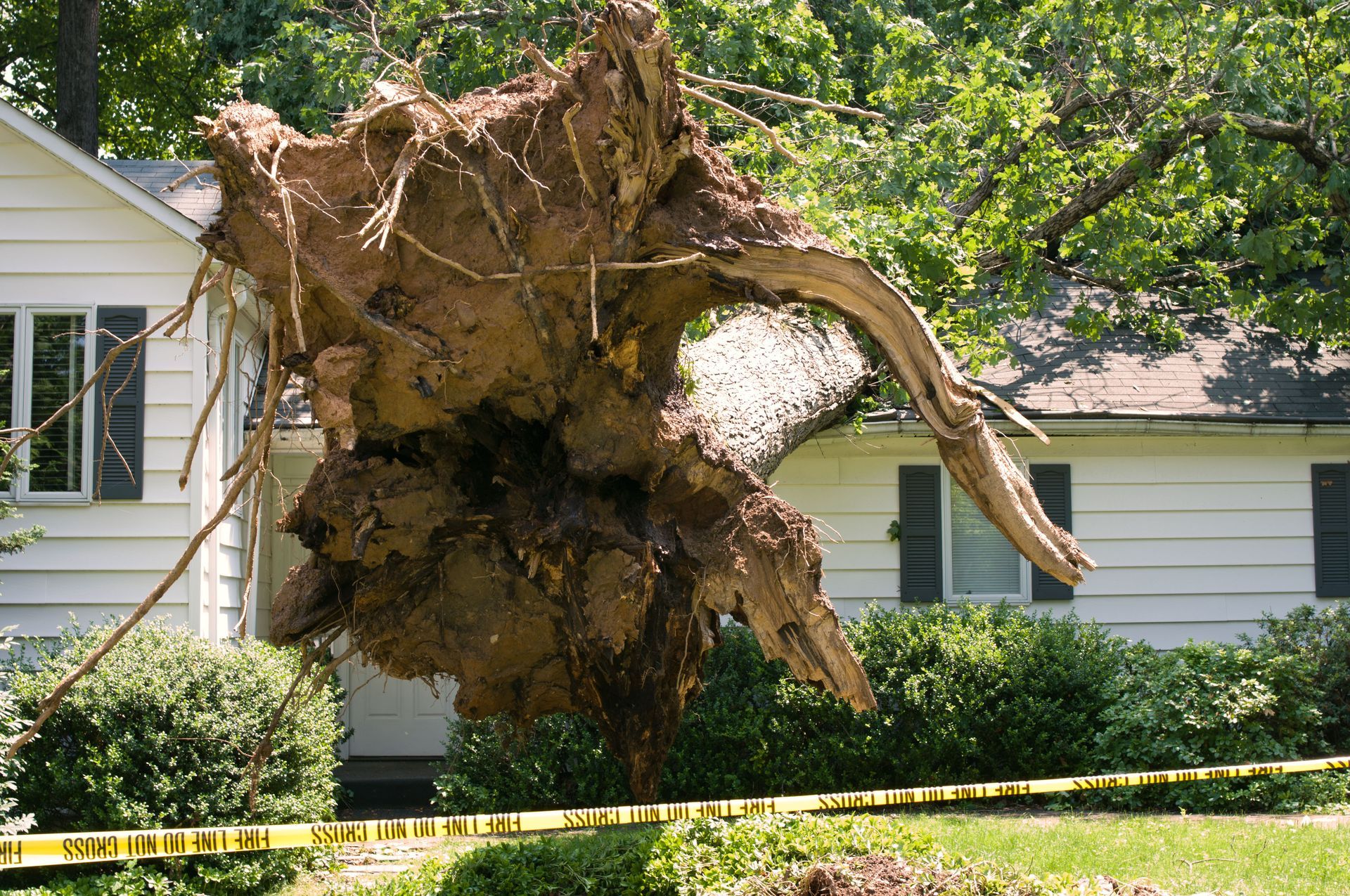
The structural strength of a tree depends heavily on the health and stability of its root system. When trees develop root rot, the roots begin to decay, making the tree less secure in the ground. This can increase the chance of falling during storms, high winds, or periods of heavy rain. Overwatering, poor drainage, and fungal infections can all contribute to root decline.
Shallow rooting systems can also make trees more vulnerable. This issue is often seen in compacted soil, sandy soil, or areas where roots cannot spread properly. When roots do not have enough room or support, the tree may struggle to absorb nutrients and anchor itself securely. In these cases, tree removals may be recommended if the tree cannot be stabilized or restored safely.
Soil erosion and compaction can make root instability worse. Erosion may occur when there is not enough ground cover, while compaction can result from heavy equipment, vehicle traffic, or frequent foot traffic. Both conditions limit root growth and reduce the tree’s ability to stay upright. Poor planting practices, such as planting too deeply or placing trees too close together, can also weaken long-term stability.
High-wind vulnerability increases when root support is compromised. Trees in exposed areas are especially at risk because strong gusts can place heavy pressure on trunks and branches. Signs such as leaning trunks, exposed roots, cracked soil around the base, or sudden changes in posture should be evaluated quickly. Professional assessments can help determine whether bracing, pruning, soil improvements, or tree removals are the safest option.
Leaning or Toppling Trees
Leaning trees often raise concern because they can point to underlying structural problems. A tree that has leaned gradually for years may not always be an immediate hazard, but a tree that suddenly leans after a storm or heavy rainfall should be inspected promptly. Sudden leaning may mean the roots have shifted or the soil has lost its ability to support the tree.
Weather events can weaken the ground around a tree and increase the risk of toppling. Heavy rain can soften soil, while wind can push against the canopy and trunk. If the root plate begins to lift or cracks appear in the soil near the base, the tree may be unstable. In these cases, tree removals may be needed before the tree falls on a home, garage, fence, vehicle, or walkway.
Asymmetrical growth can also create long-term balance problems. A tree that grows heavily on one side due to sunlight patterns, nearby structures, or prevailing winds may become unevenly weighted. Over time, this imbalance can strain the trunk and roots. Selective pruning can sometimes help, but improper pruning may make the issue worse by removing too much canopy or shifting weight incorrectly.
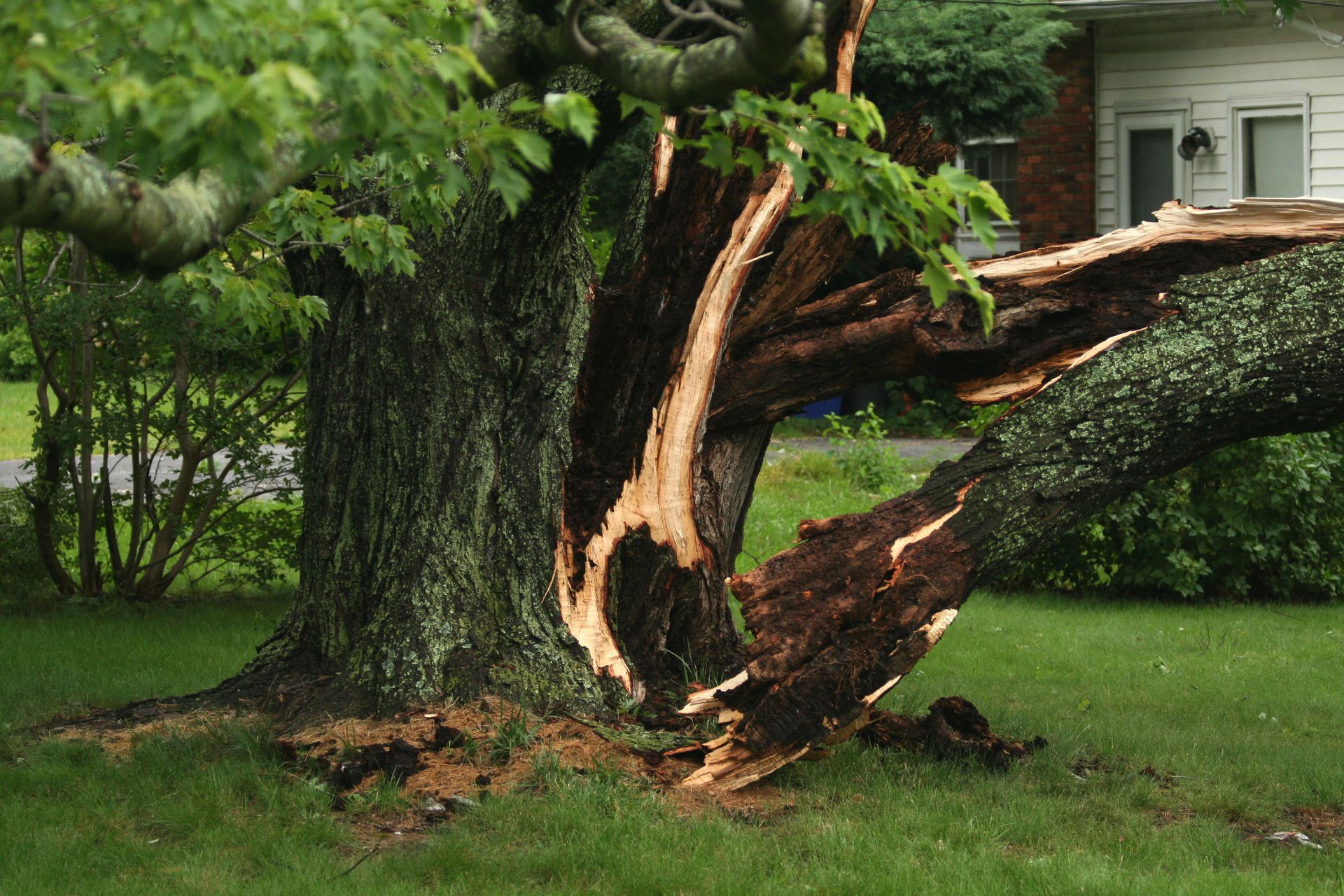
Internal structural weaknesses can further increase the risk. Decayed wood, cavities, pest damage, or cracks in the trunk may reduce the tree’s ability to remain upright. When these concerns appear alongside leaning, professional tree removals may be the safest solution. An arborist can evaluate whether the tree is salvageable or whether removal is the more responsible choice.
Proximity Issues
Encroachment on Property Lines
Trees growing too close to property lines can lead to neighborly disputes and maintenance concerns. As trees mature, branches and roots may cross into nearby yards, driveways, fences, or structures. While laws vary by location, property owners often need to manage trees before they cause damage or create tension with surrounding neighbors.
Branches that hang over another property may drop leaves, fruit, limbs, or debris. Roots may also spread beneath fences, sidewalks, or foundations. When growth becomes difficult to control, tree removals can help prevent recurring conflicts and restore a clear boundary between properties. This is especially important when the tree is already unhealthy or causing physical damage.
Physical damage to fences, sheds, garages, and homes is a common result of trees planted too close to property lines. Roots can lift hardscaping, crack pavement, or interfere with foundations. Branches may scrape siding, damage shingles, or break during storms. Addressing these problems early can reduce repair costs and keep outdoor areas easier to manage.
Trees that block access or sightlines can also create frustration. Overgrown branches may make it difficult to use gates, maintain fences, or see around driveways and paths. Routine trimming can help in some cases, but when a tree has outgrown its location, tree removals may offer a more practical long-term fix.
Interference With Utilities
Trees that interfere with utilities can create serious safety hazards and service disruptions. Power line conflicts are especially concerning because branches touching or growing near electrical lines can contribute to outages, fire risks, or dangerous storm damage. Homeowners should never attempt to prune trees near active power lines on their own.
When trees are too close to utility lines, professional evaluation is important. Utility companies may handle certain trimming needs, but property owners may still be responsible for trees located on private land. According to University of Maryland Extension, trees placed under power lines ideally should mature at heights less than 25 feet. If a tree continues to grow into overhead wires or cannot be safely maintained, tree removals may be necessary to reduce future risk.
Underground utilities can also be affected by tree roots. Roots may grow into sewer lines, septic systems, or drainage pipes, especially when small cracks are already present. Over time, this can lead to clogs, leaks, and costly repairs. Selecting the right tree species and planting location can reduce the risk, but mature trees that are already interfering with underground systems may require removal.
Health and Safety Concerns
Pest Infestations
Pest infestations can weaken trees and create broader problems throughout a yard. Termites, beetles, borers, ants, and other pests often target stressed, damaged, or decaying trees. Once pests become established, they may spread to nearby trees, shrubs, wood piles, fences, or even structures.
Early identification is important because pest issues can progress quickly. Warning signs may include holes in the bark, sawdust-like material, dead branches, peeling bark, thinning leaves, or unusual insect activity. Treatments may help in some cases, but heavily damaged trees may not recover. When a tree becomes a pest source, tree removals can help protect the rest of the landscape.
Fungal infections can create similar concerns. Fungi may grow on trunks, roots, or branches, often signaling internal decay or poor tree health. Mushrooms near the base of a tree can suggest root problems, while cankers, leaf spots, and dieback may indicate disease. When fungal issues weaken the structure, the tree may become more likely to break or fall.
Unchecked infestations can also increase maintenance needs. Dead branches may fall more often, leaves may drop prematurely, and nearby plants may become stressed. Integrated pest management, routine inspections, proper watering, and soil care can support healthier trees. However, when a damaged tree threatens the surrounding yard, tree removals may be the most practical way to stop the problem from spreading.
Trees add lasting value to residential properties, but certain issues can make removal necessary. Structural instability, utility conflicts, pest problems, disease, overcrowding, and poor placement can all affect safety and yard function. By identifying these concerns early and working with qualified professionals, homeowners can make responsible decisions about tree care and tree removals while maintaining a safe, attractive, and usable outdoor space. Contact Hatchet Man Tree Service today to learn more.