August 27, 2026
Tree pruning is not just a task for street aesthetics; it is an essential element of landscape management that contributes significantly to the health and appearance of your surroundings. Regular pruning encourages healthy growth, prevents disease, and helps maintain a neat, organized layout for your garden or yard. While trees naturally grow in various shapes and sizes, strategic pruning can enhance both their structural integrity and visual appeal. Additionally, well-pruned trees can increase your property value by showcasing a well-maintained landscape. This makes tree pruning not only a horticultural activity but also a valuable investment that offers multiple dividends.
The Basics of Tree Pruning
Understanding Tree Growth Patterns
Trees grow in distinctive patterns, influenced by their species, environment, and local climate conditions. Understanding these growth patterns is essential for effective pruning to not only enhance the tree’s natural structure but also to ensure long-term health. Each tree species has unique characteristics, such as branch arrangement and growth rate, that dictate the best pruning practices. Incorrect pruning can lead to poor growth or make trees more susceptible to disease and pests. By grasping these intrinsic growth patterns, one can devise a pruning strategy that aligns with the natural development of the tree.
The Science Behind Pruning
The science of pruning involves understanding how trees respond to cutting and how these responses can be harnessed to improve their growth and health. When a branch is removed, the tree reacts by focusing its energy on developing strong, healthy limbs and foliage. This response can be targeted to eliminate diseased branches, encourage flowering or fruit production, and improve the overall structure. By removing unwanted branches, the flow of nutrients can be redirected to more critical parts, enhancing the tree's vitality. Effective pruning thus combines an understanding of plant biology with strategic cutting to optimize tree health.
Tools and Equipment Needed
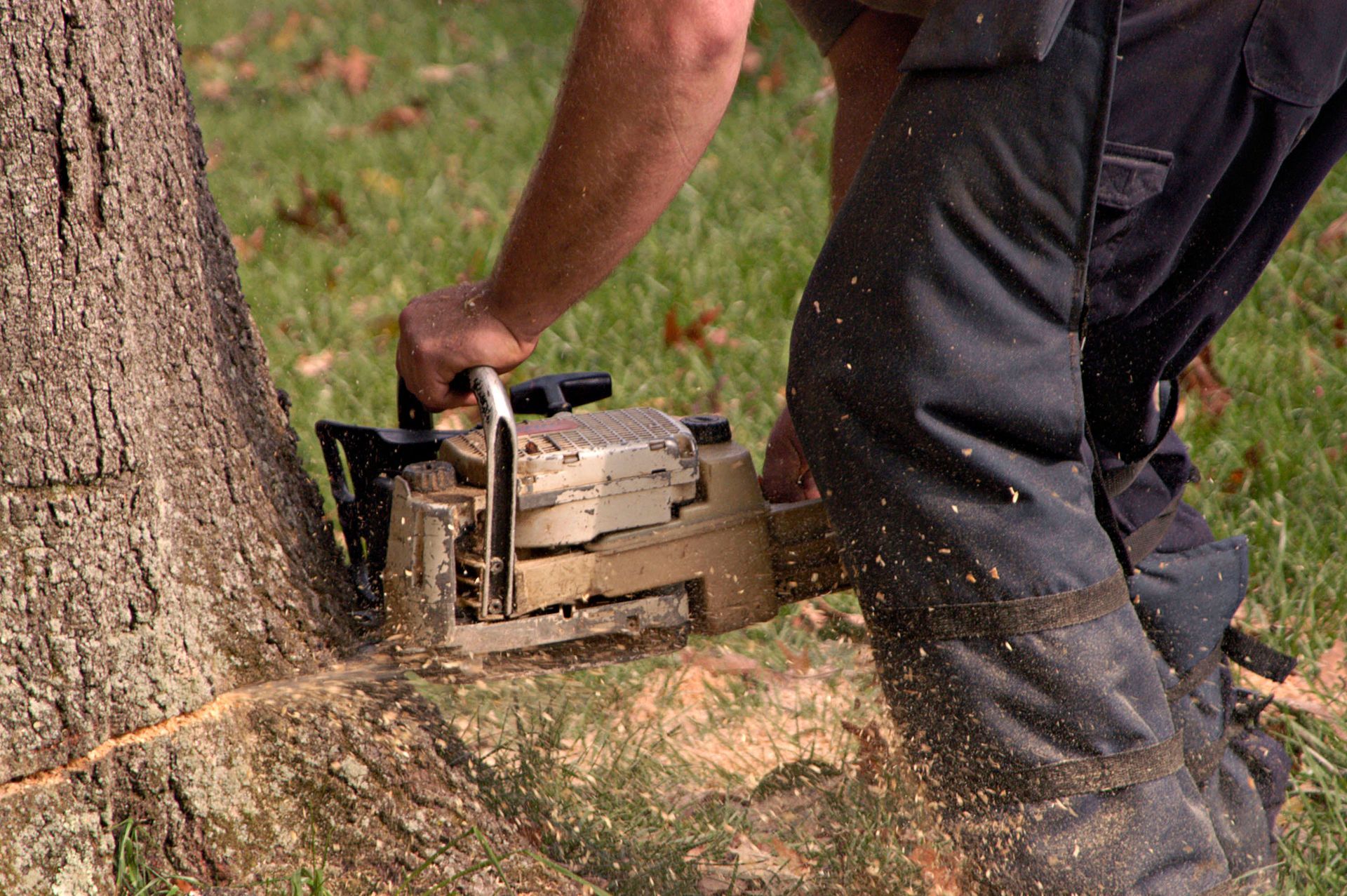
Having the right tools is crucial for successful and safe tree pruning. Essential tools include hand pruners for smaller branches, medium limbs, and pruning saws for thicker branches. All tools should be sharp and clean to make precise cuts, which minimize damage and reduce the risk of infection. Protective gear such as gloves, helmets, and eyewear are also essential to ensure safety during pruning activities. For larger trees or more complex tasks, specialized equipment like pole pruners or chainsaws may be needed, emphasizing the importance of having a well-equipped toolkit.
Common Pruning Techniques
Pruning techniques vary based on the objectives, ranging from thinning to topping, each with specific outcomes for tree structure and health. Thinning involves selectively removing branches to increase light penetration and air circulation through the canopy, fostering the tree's health. Topping, although less recommended, involves cutting the top branches to restrict height, often used as a last resort. Other techniques include crown raising to clear lower branches and crown reduction to reduce the size of a tree. Understanding these techniques allows one to choose the right approach for their specific needs, enhancing both the aesthetics and vitality of their trees.
Seasonal Considerations for Pruning
The timing of pruning is crucial, as different seasons present unique conditions that can impact tree growth and recovery. Late winter is often the best time for pruning, as trees are dormant and less likely to experience stress from cutting. Pruning during dormancy can also reduce the risk of disease spread, as many tree diseases are more active during warm months. Spring pruning can stimulate rapid growth, while summer pruning is suitable for controlling size or redirecting growth. Each season offers distinct benefits and challenges, making timing an essential factor in effective tree management.
Health Benefits of Regular Tree Pruning
Preventing Disease Spread
Regular tree pruning is a proactive measure to prevent the establishment and spread of diseases. By removing infected branches early, you reduce the likelihood of pathogens spreading to healthy parts of the tree or nearby vegetation. Moreover, pruning improves air circulation, which can decrease the humidity levels around the tree, creating an environment less conducive to disease development. Regular inspections and targeted pruning not only protect individual trees but can also safeguard entire landscapes from devastating outbreaks. Thus, consistent pruning acts as a first line of defense in maintaining tree health.
Enhancing Tree Structure and Stability
Proper pruning underpins the development of a strong central structure, which can withstand storms and high winds, thereby reducing the risk of damage. By focusing on maintaining a single dominant leader and eliminating weaker, crossing branches, pruning enhances mechanical stability. This structural integrity is critical, especially for trees planted in urban areas, where space is limited and hazards must be minimized. Additionally, trees nurtured through attentive pruning are more likely to have even distribution, preventing potential limb fall. Pruning, therefore, not only beautifies trees but also secures them against structural failures.
Improving Air Circulation and Sunlight Exposure
Pruning enhances the flow of air and sunlight through the foliage, essential elements for photosynthesis and overall tree growth. When branches are thinned, sunlight can penetrate deeper into the canopy, invigorating lower leaves and promoting uniform growth. Enhanced air circulation also plays a crucial role in reducing the moisture around leaves, which can help prevent fungal diseases. Moreover, better exposure to elements strengthens the tree, making it more resilient to environmental stresses. Consequently, regular pruning results in healthier trees by optimizing conditions for growth and development.
Promoting Fruit and Flower Production
For fruit and flowering trees, pruning is vital for sustaining and enhancing productivity. By removing dead or non-productive limbs, pruning directs energy to the parts of the tree that produce flowers and fruits. This redirection not only increases the quantity but often the quality of the yield as well. Pruned trees experience better fruit set and larger blossoms, as sunlight reaches buds and nourishes them. Thus, pruning is an integral practice for gardeners aiming to maximize the ornamental and productive potential of their trees.
Encouraging Stronger Roots and Growth
Pruning contributes to a better balance between root growth and branch extension, which is crucial for a tree's stability and nutrient acquisition. By managing the tree's crown size, pruning helps adjust the energy allocation towards stronger root development. Healthier roots enhance a tree’s ability to absorb nutrients and water, supporting more robust growth. This well-distributed growth results in trees that are not only more resilient but also better integrated into their landscape. Regular and thoughtful pruning, therefore, promotes a sustainable growth pattern that benefits the entire ecosystem.
Aesthetic Enhancements Through Pruning
Creating Defined Shapes and Forms
Pruning allows landscape designers to sculpt trees into desired shapes and forms, aligning them with landscape designs and aesthetic goals. By trimming unruly branches and promoting orderly growth, trees can be shaped to fit diverse stylistic preferences, from naturalistic to formal. The process of creating defined shapes involves selective cutting, which enhances the tree’s natural beauty while ensuring health and vigor. Well-pruned trees can serve as focal points or complementary elements in a garden, contributing to an overall harmonious design. With precise pruning, trees become living works of art, accentuating the beauty of the landscape.
Regular pruning is essential for maintaining the size and proportion of trees, especially in confined or designed spaces. By keeping trees at an appropriate size, they remain in scale with the surrounding landscape and structures, preserving the balance and order of the design. This maintenance is crucial in urban settings where space is constrained, and towering trees can pose risks or dwarf buildings and other plants. Consistent size control also ensures that trees do not overshadow other elements, allowing for a more diverse and balanced ecosystem. Thus, pruning plays a critical role in maintaining the aesthetic proportions of a landscaped area. According to U.S. News, tree care can produce an average 87% return on investment. Be sure to reach out to Hatchet Man Tree Service for more information on our professional tree service!